
What Is Functional Therapy? And How Is It Different From Other Approaches?
If you've ever left a massage feeling relaxed but noticed the same tightness creep back within a few days, or finished physical therapy "graduated" but still moving a little guarded — you've felt the gap that functional therapy is built to close.
Functional therapy isn't a single technique. It's an approach — one that treats the body as an interconnected system rather than a set of isolated complaints, and treats movement, not just tissue, as the outcome that actually matters.
What Is Functional Therapy?
Functional therapy combines hands-on bodywork with active movement education, delivered as one continuous program rather than two separate services.
It typically unfolds in two phases:
Phase one — passive bodywork. A practitioner works directly on the tissue using deep tissue techniques, trigger point therapy, myofascial release, cupping, and related modalities. The goal here isn't just "relaxation" — it's to mobilize the fascia (the connective webbing that wraps every muscle, organ, and joint in the body), improve blood and lymph flow, and release the specific restrictions that are limiting movement or causing pain.
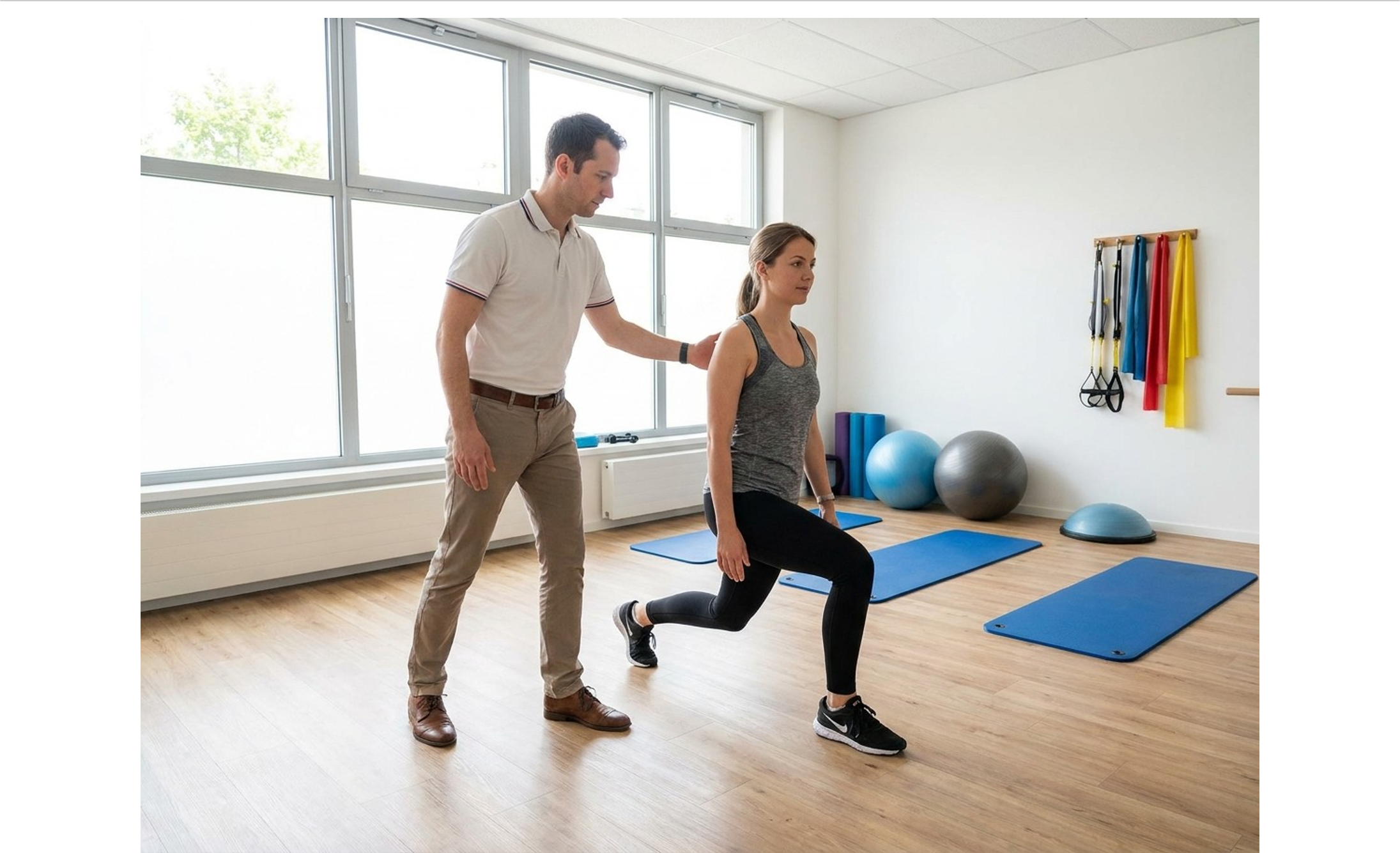
Phase two — active movement education. Once tissue is more mobile, the client practices moving with better alignment and awareness — how they stand, walk, squat, swing, or stride. This is where lasting change actually gets locked in. Loosening tissue without retraining the movement pattern that created the tightness in the first place is a bit like ironing a shirt and then folding it the same wrinkled way.
The result is a program built around your body and your specific patterns, not a generic protocol applied the same way to everyone who walks in the door.
How Is It Different From Other Approaches?
Versus a typical massage. Traditional massage is generally passive — you lie down, the therapist works, you leave. It's excellent for short-term relief and circulation, but it doesn't usually retrain the movement habits that caused the tension. Functional therapy treats massage as one tool inside a larger toolkit, paired with movement work so the results actually hold.
Versus chiropractic care alone. Chiropractic adjustment addresses joint alignment, often very effectively — but it doesn't typically address the soft tissue (muscle and fascia) pulling those joints out of position in the first place, or retrain the movement pattern that keeps recreating the imbalance. Functional therapy works well alongside chiropractic care, addressing the soft-tissue and movement side of the equation.
Versus physical therapy alone. PT is often symptom- and injury-specific, with a defined start and end point tied to a diagnosis or post-surgical protocol. Functional therapy tends to take a broader, ongoing view — not just "is the injury healed," but "how is this person's body functioning as a whole, and how do we keep it that way."
The holistic piece. Functional therapy also treats the body and mind as connected. Posture and movement patterns aren't purely mechanical — chronic tension often carries emotional and habitual roots (think of how stress physically shows up as tight shoulders or a clenched jaw). By combining tissue work with movement awareness, functional therapy addresses both the physical restriction and the pattern that's been reinforcing it.
Case Examples
The weekend golfer with a "stuck" hip turn. A regular golfer noticed his drives losing distance and his lower back aching after every round. Deep tissue work released restrictions through the hips and thoracic spine, while movement coaching retrained his hip rotation during the swing — addressing the mechanical root instead of just icing the soreness after each round.
The office worker with chronic neck and shoulder tension. Years of desk work had left a client with a forward head posture and near-constant upper trapezius tightness. Myofascial release relieved the immediate tension, and postural retraining changed how she sat and worked throughout the day — turning a temporary fix into a lasting one.
The runner with recurring IT band pain. A distance runner cycling through the same overuse injury every training block got trigger point work through the hip and glute complex, combined with gait and stride awareness — targeting the movement inefficiency that was quietly reloading the injury each cycle, not just the symptom.
The dancer managing repetitive strain. For a performer whose art demands repetitive, high-range movement, ongoing bodywork paired with body-awareness training helped maintain range of motion and catch small compensations before they became larger injuries — prevention as much as treatment.
Benefits for Athletes and Active Individuals
Golfers — Improved hip and thoracic rotation, reduced lower back strain, and more consistent swing mechanics by resolving the tissue restrictions that quietly limit turn and power.
Runners — Relief from recurring overuse patterns (IT band, hip flexors, calves) paired with stride and gait awareness that addresses the cause of repeat injuries, not just this cycle's flare-up.
Dancers — Maintained flexibility and joint mobility alongside heightened body awareness, helping catch small compensations before they turn into larger injuries — critical for an art form built on repetitive extreme range of motion.
Tennis and volleyball players — Targeted work on the shoulder, rotator cuff, and thoracic spine to offset the repetitive overhead and rotational loading these sports demand, plus movement retraining to reduce compensation patterns that build up over a season.
Athletes generally — Faster recovery between training sessions, reduced repetitive stress injury risk, and better overall movement efficiency — the kind of gains that don't show up as a single dramatic fix, but as fewer nagging injuries and more consistent performance over a season.
Benefits for the General Population
You don't have to be an athlete take advantage ot functional therapy.
Anyone dealing with: chronic tension from sitting at a desk all day or someone feeling the strain from repetitive work that uses the same muscles constantly (think musicians, tradespeople, or anyone doing repetitive motion for a living). Simeone feeling general stiffness, reduced range of motion, or "just not moving like they used to"….
Anyone can benefit from the same combination of hands-on release and movement retraining. The goals are the same regardless of who's on the table: less discomfort, better posture, more energy in daily life, and — because body and mind are connected — often a calmer mental state along with it.
The Bottom Line
Functional therapy isn't about chasing symptoms as they pop up. It's about understanding why your body keeps creating the same tightness, the same ache, the same limitation — and addressing that pattern directly, through a plan built around your body specifically, not a generic one-size-fits-all protocol.
Whether you're chasing a lower golf handicap, training for your next race, managing the stress of a physically demanding job, or just tired of feeling stiff more often than not, functional therapy offers a path that treats the whole system, not just the complaint of the week.
Ready to see what a personalized functional therapy plan could do for you? Book an evaluation and treatment with ActiveBody Functional Therapy in Sarasota, FL.