What Is Functional Therapy? And How Is It Different From Other Approaches?

What Is Functional Therapy? And How Is It Different From Other Approaches?

If you've ever left a massage feeling relaxed but noticed the same tightness creep back within a few days, or finished physical therapy "graduated" but still moving a little guarded — you've felt the gap that functional therapy is built to close.

Functional therapy isn't a single technique. It's an approach — one that treats the body as an interconnected system rather than a set of isolated complaints, and treats movement, not just tissue, as the outcome that actually matters.

What Is Functional Therapy?

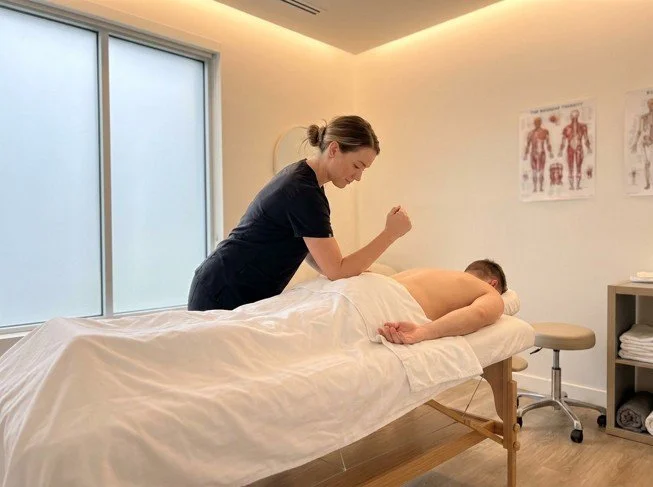
Functional therapy combines hands-on bodywork with active movement education, delivered as one continuous program rather than two separate services.

It typically unfolds in two phases:

Phase one — passive bodywork. A practitioner works directly on the tissue using deep tissue techniques, trigger point therapy, myofascial release, cupping, and related modalities. The goal here isn't just "relaxation" — it's to mobilize the fascia (the connective webbing that wraps every muscle, organ, and joint in the body), improve blood and lymph flow, and release the specific restrictions that are limiting movement or causing pain.

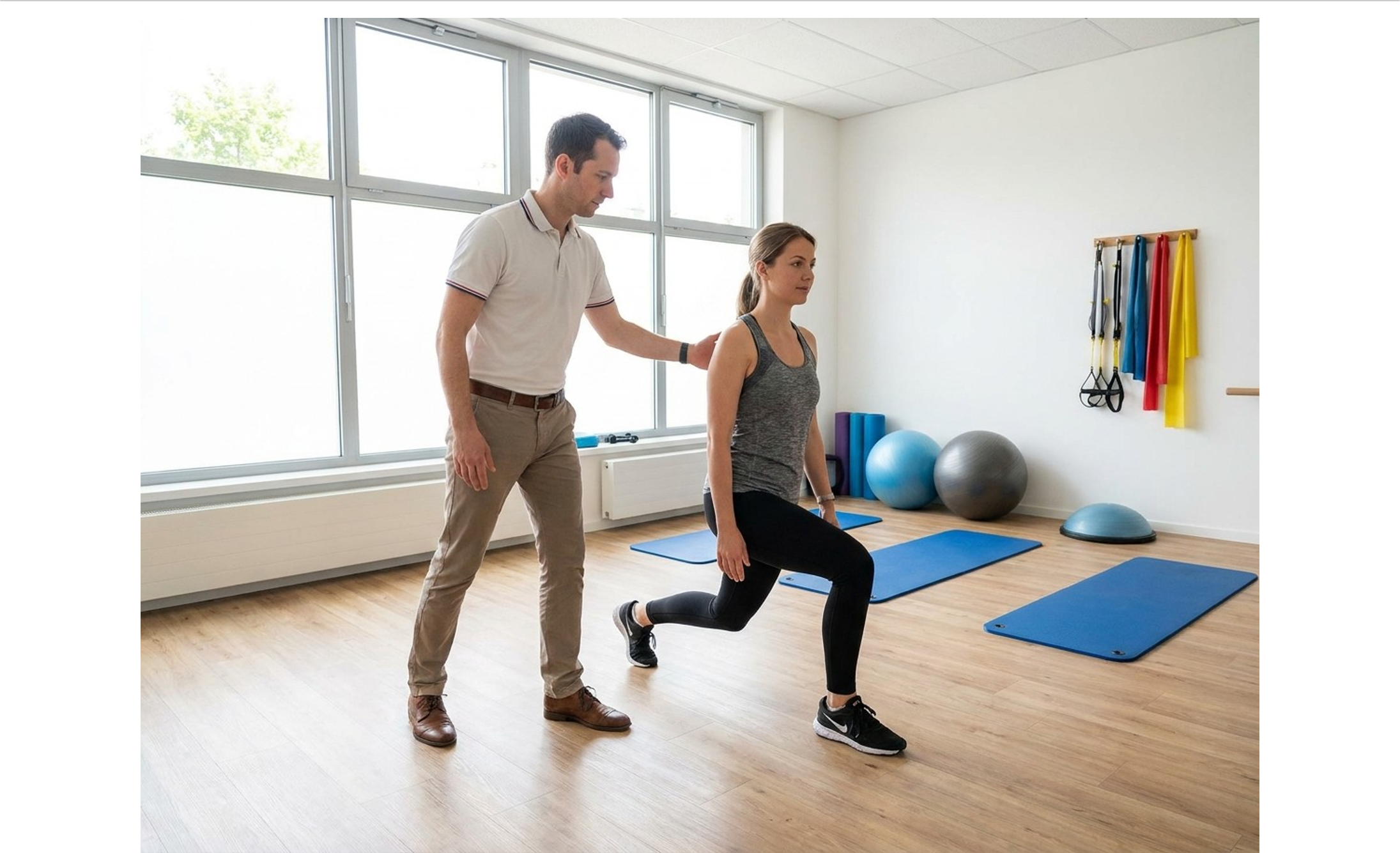
Phase two — active movement education. Once tissue is more mobile, the client practices moving with better alignment and awareness — how they stand, walk, squat, swing, or stride. This is where lasting change actually gets locked in. Loosening tissue without retraining the movement pattern that created the tightness in the first place is a bit like ironing a shirt and then folding it the same wrinkled way.

The result is a program built around your body and your specific patterns, not a generic protocol applied the same way to everyone who walks in the door.

How Is It Different From Other Approaches?

Versus a typical massage. Traditional massage is generally passive — you lie down, the therapist works, you leave. It's excellent for short-term relief and circulation, but it doesn't usually retrain the movement habits that caused the tension. Functional therapy treats massage as one tool inside a larger toolkit, paired with movement work so the results actually hold.

Versus chiropractic care alone. Chiropractic adjustment addresses joint alignment, often very effectively — but it doesn't typically address the soft tissue (muscle and fascia) pulling those joints out of position in the first place, or retrain the movement pattern that keeps recreating the imbalance. Functional therapy works well alongside chiropractic care, addressing the soft-tissue and movement side of the equation.

Versus physical therapy alone. PT is often symptom- and injury-specific, with a defined start and end point tied to a diagnosis or post-surgical protocol. Functional therapy tends to take a broader, ongoing view — not just "is the injury healed," but "how is this person's body functioning as a whole, and how do we keep it that way."

The holistic piece. Functional therapy also treats the body and mind as connected. Posture and movement patterns aren't purely mechanical — chronic tension often carries emotional and habitual roots (think of how stress physically shows up as tight shoulders or a clenched jaw). By combining tissue work with movement awareness, functional therapy addresses both the physical restriction and the pattern that's been reinforcing it.

Case Examples

The weekend golfer with a "stuck" hip turn. A regular golfer noticed his drives losing distance and his lower back aching after every round. Deep tissue work released restrictions through the hips and thoracic spine, while movement coaching retrained his hip rotation during the swing — addressing the mechanical root instead of just icing the soreness after each round.

The office worker with chronic neck and shoulder tension. Years of desk work had left a client with a forward head posture and near-constant upper trapezius tightness. Myofascial release relieved the immediate tension, and postural retraining changed how she sat and worked throughout the day — turning a temporary fix into a lasting one.

The runner with recurring IT band pain. A distance runner cycling through the same overuse injury every training block got trigger point work through the hip and glute complex, combined with gait and stride awareness — targeting the movement inefficiency that was quietly reloading the injury each cycle, not just the symptom.

The dancer managing repetitive strain. For a performer whose art demands repetitive, high-range movement, ongoing bodywork paired with body-awareness training helped maintain range of motion and catch small compensations before they became larger injuries — prevention as much as treatment.

Benefits for Athletes and Active Individuals

Golfers — Improved hip and thoracic rotation, reduced lower back strain, and more consistent swing mechanics by resolving the tissue restrictions that quietly limit turn and power.

Runners — Relief from recurring overuse patterns (IT band, hip flexors, calves) paired with stride and gait awareness that addresses the cause of repeat injuries, not just this cycle's flare-up.

Dancers — Maintained flexibility and joint mobility alongside heightened body awareness, helping catch small compensations before they turn into larger injuries — critical for an art form built on repetitive extreme range of motion.

Tennis and volleyball players — Targeted work on the shoulder, rotator cuff, and thoracic spine to offset the repetitive overhead and rotational loading these sports demand, plus movement retraining to reduce compensation patterns that build up over a season.

Athletes generally — Faster recovery between training sessions, reduced repetitive stress injury risk, and better overall movement efficiency — the kind of gains that don't show up as a single dramatic fix, but as fewer nagging injuries and more consistent performance over a season.

Benefits for the General Population

You don't have to be an athlete take advantage ot functional therapy.

Anyone dealing with: chronic tension from sitting at a desk all day or someone feeling the strain from repetitive work that uses the same muscles constantly (think musicians, tradespeople, or anyone doing repetitive motion for a living). Simeone feeling general stiffness, reduced range of motion, or "just not moving like they used to"….

Anyone can benefit from the same combination of hands-on release and movement retraining. The goals are the same regardless of who's on the table: less discomfort, better posture, more energy in daily life, and — because body and mind are connected — often a calmer mental state along with it.

The Bottom Line

Functional therapy isn't about chasing symptoms as they pop up. It's about understanding why your body keeps creating the same tightness, the same ache, the same limitation — and addressing that pattern directly, through a plan built around your body specifically, not a generic one-size-fits-all protocol.

Whether you're chasing a lower golf handicap, training for your next race, managing the stress of a physically demanding job, or just tired of feeling stiff more often than not, functional therapy offers a path that treats the whole system, not just the complaint of the week.

Ready to see what a personalized functional therapy plan could do for you? Book an evaluation and treatment with ActiveBody Functional Therapy in Sarasota, FL.
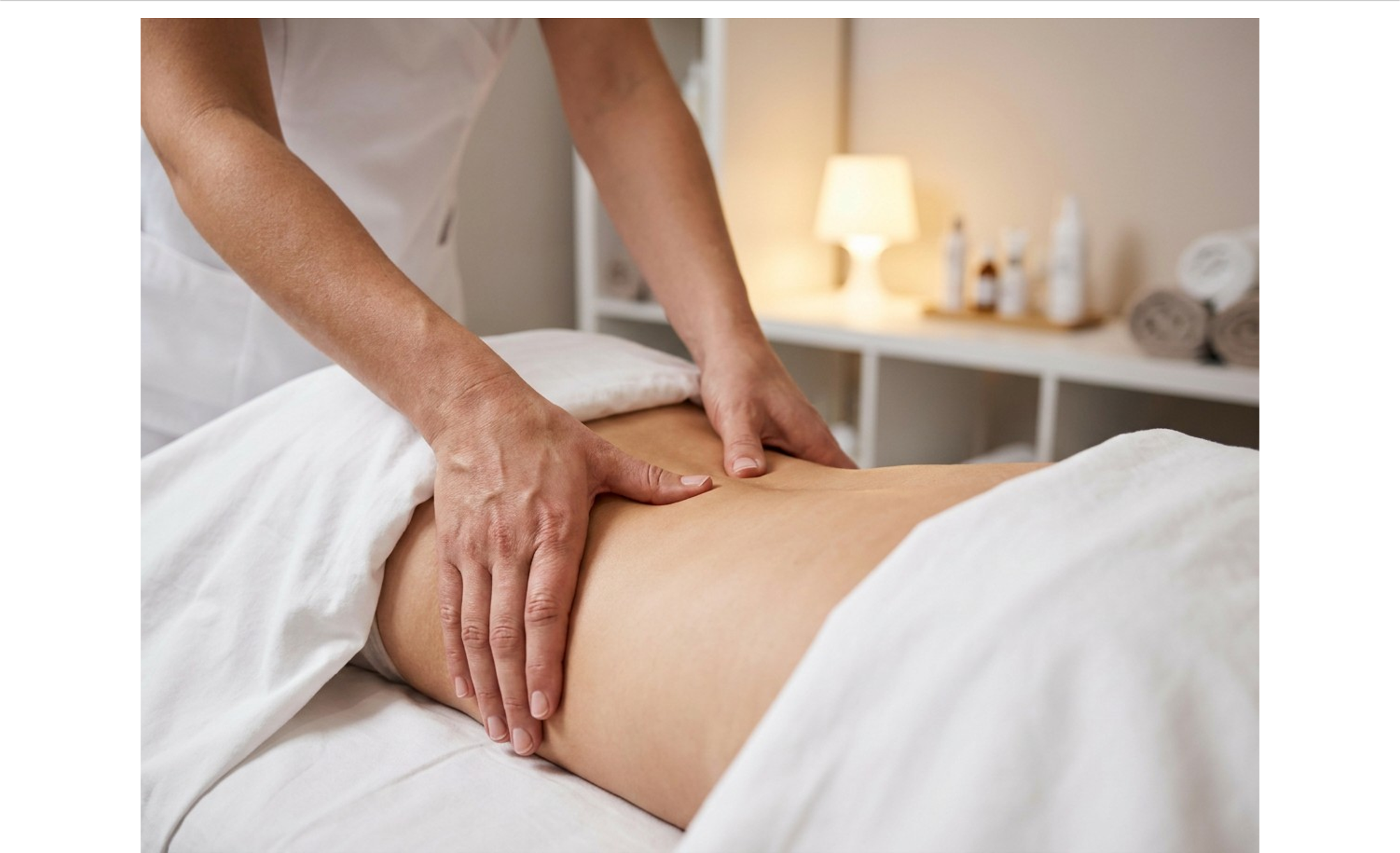
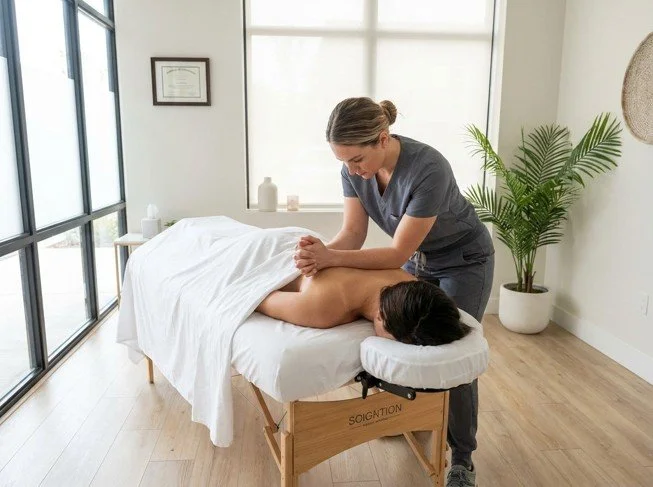
Deep Tissue Massage in Sarasota: Who It's For and What It Actually Helps With!

Deep Tissue Massage in Sarasota: Who It's For and What It Actually Helps With

At some point, you've probably been on a massage table and thought: this would help more if they just pressed harder. You're not wrong that pressure matters. But pressing harder is not what deep tissue massage actually is — and that misunderstanding costs people the results they're looking for.

Deep tissue massage is a specific clinical modality with a defined set of techniques, a clear physiological mechanism, and a well-established category of conditions it resolves effectively. At ActiveBody Functional Therapy in Sarasota, every session begins with an assessment, and the technique follows the finding.

What "Deep Tissue" Actually Means

Deep tissue massage refers specifically to techniques designed to affect the deeper layers of muscle, the surrounding fascia, and the connective tissue between and beneath the superficial musculature — structures that lighter effleurage and Swedish strokes cannot meaningfully reach.

When a therapist applies too much pressure too quickly, the body tightens in response. This is not a failure of willpower — it is a reflex. The nervous system perceives sudden deep pressure as a potential threat and contracts the surrounding musculature to protect the underlying tissue. A guarded muscle does not release. This is why aggressive pressure alone rarely produces the outcome people hope for.

Effective deep tissue technique uses pace, direction, angle, and tissue preparation to encourage the nervous system to permit the depth rather than resist it. A skilled therapist reaches the same structures a less-skilled one fights to access — with less discomfort and substantially better results.

The Physiology: Why Deep Tissue Works

Fascial remodeling. Fascia is the connective tissue that envelops every structure in the body. Under chronic load or repetitive strain, fascia develops adhesions — points where adjacent layers bind together and lose the ability to glide. Sustained mechanical pressure physically disrupts cross-linked collagen bonds and allows the tissue to reorganize into a more functional structure that supports full, pain-free movement.

Nervous system modulation. Deep sustained pressure activates Ruffini mechanoreceptors in the fascia, producing a parasympathetic shift in the nervous system. The muscle releases not because it was pushed into submission, but because the nervous system received a signal that downregulated its protective holding tone. Research in the Journal of Bodywork and Movement Therapies consistently shows this produces greater and longer-lasting results than rapid or superficial techniques.

Circulatory enhancement. The deeper structures of the body — posterior chain musculature, hip rotators, adductors — are relatively poorly vascularized. Metabolic waste products accumulate readily in these tissues. Deep tissue techniques applied with directional intent toward lymphatic drainage pathways accelerate clearance and improve the cellular environment for repair.


Who Benefits Most From Deep Tissue Massage

Golfers with posterior chain restriction. The rotational demands of a golf swing concentrate load through the thoracic spine, lumbar erectors, hip rotators, and posterior shoulder. Deep tissue work targeting the thoracolumbar fascia, glutes, and posterior rotator cuff restores the mobility that translates into both comfort and swing mechanics.

Desk workers who train. Eight or more hours of spinal flexion — seated at a desk, behind a wheel, on a phone — tightens the cervical and thoracic erectors and anterior chest wall. Deep tissue work restores the movement options that get compressed during the workday, so you can actually perform in your evening workout.

Athletes managing repetitive strain. Runners accumulate fascial restriction in the IT band, TFL, and soleus. Cyclists develop shortened hip flexors and overloaded lumbar extensors. Swimmers develop anterior shoulder imbalances. Deep tissue work is how you address the accumulation before it becomes injury.

People recovering from injury or surgery. The body lays down scar tissue in a disorganized pattern during healing. Left unaddressed, it restricts mobility and alters how force moves through surrounding tissue. Deep tissue work, applied when healing is sufficiently advanced, remodels those adhesions and restores functional mobility.

What to Expect at ActiveBody in Sarasota

Your first session begins with a conversation — not paperwork. Where is the issue? When did it start? What aggravates or relieves it? Russell will then observe a few movements: how your thoracic spine extends, whether your shoulder blades move symmetrically, how your hips load in single-leg stance. These movement signatures reveal which structures are restricting and which are compensating.

Pressure will be firm and targeted. It will not be comfortable in the way a relaxation massage is comfortable, but it should never produce sharp, shooting, or radiating pain. A building, aching pressure that eventually releases is the target sensation. Mild soreness over the following 24–48 hours is normal and productive. Hydration and light movement support the recovery.

Frequently Asked Questions

Is deep tissue massage supposed to hurt?

Therapeutic discomfort and harmful pain are different things. Working through a dense adhesion will produce an intense aching sensation — uncomfortable but manageable. Sharp, shooting, or radiating pain is a signal to communicate with your therapist immediately. Russell works progressively and adjusts in real time.

How is deep tissue different from sports massage?

Deep tissue refers primarily to the techniques and depth used. Sports massage refers more broadly to massage applied in the context of athletic performance and recovery. At ActiveBody, both labels describe work that is clinically informed, assessment-driven, and aimed at a functional outcome.

How many sessions will I need?

A recent acute strain may respond in one to two sessions. Chronic tension patterns or post-surgical scar tissue typically require three to six sessions, spaced one to two weeks apart. Many active Sarasota adults continue with monthly maintenance sessions to prevent re-accumulation before it becomes symptomatic.

Can deep tissue make things worse?

When applied appropriately, no. When applied without regard for the nervous system's readiness — too much too fast — it can produce excessive post-session soreness. That is the difference between technique and aggression, and why the session involves an ongoing conversation, not a unilateral application of force.

Book Your Deep Tissue Session in Sarasota

Carrying months of accumulated tension? One well-applied session can change how your body feels and moves. Let's find out what's holding you back.

5500 Bee Ridge Road, Suite 102 | Sarasota, FL 34233

Call or text: 941-479-8849

Sciatica Relief Without Surgery: What Manual Therapy Can Actually Do

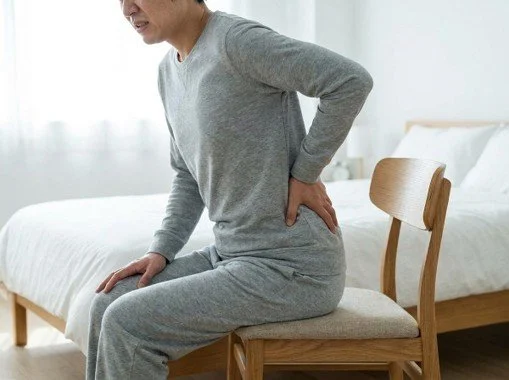
The first time it hits, it's unmistakable. A sharp, burning line of sensation that travels from your low back through your buttock and down the back of your leg — sometimes all the way into your calf or foot. Sciatica is one of the most common and most misunderstood pain experiences active adults deal with, and the path people take to address it is often longer, more expensive, and more invasive than it needs to be.

At ActiveBody Functional Therapy in Sarasota, sciatica is not treated as a single, fixed diagnosis. It is treated as a symptom with a specific structural cause — and that cause is almost always addressable with the right combination of hands-on therapy, movement work, and progressive loading.

Surgery is occasionally necessary. For most people, it is not the first step.

What Is Actually Happening When Sciatica Strikes

The sciatic nerve is the longest and widest single nerve in the human body. It originates from five nerve roots in the lumbar and sacral spine — L4 through S3 — bundles together in the pelvis, travels beneath the piriformis muscle in the gluteal region, and then runs down the back of the thigh before splitting into branches that supply the lower leg and foot. When any part of that pathway is compressed, irritated, or chemically inflamed, you feel it as pain, tingling, numbness, or weakness somewhere along the route.

In people who are regularly active — golfers, pickleball players, cyclists, runners, adults who sit for extended periods and then train intensely — piriformis syndrome is a frequent culprit. When the piriformis becomes hypertonic or shortened, it can create compression or traction on the sciatic nerve that produces symptoms indistinguishable from lumbar-origin sciatica. Treatment strategy, however, is meaningfully different.

Sacroiliac joint dysfunction, lumbar facet irritation, and myofascial restriction in the quadratus lumborum, deep hip rotators, and hamstrings can all contribute to or mimic sciatic pain. A thorough hands-on assessment can often identify the primary driver — and that identification changes everything about how the issue gets resolved.

How Manual Therapy Addresses the Root Cause

Manual therapy does not treat nerves directly. What it does is reduce the mechanical and chemical load on the nerve by addressing the tissue and joint dysfunction creating that load.


For piriformis-driven sciatica, the priority is reducing the hypertonicity and adhesion in the gluteal region — particularly the piriformis, obturator internus, and gemelli. Sustained ischemic pressure, active-release techniques, and trigger point work break down adhesion patterns and allow the nervous system to downregulate its protective holding response.

For lumbar-origin sciatica, the approach involves working the paraspinal musculature, addressing thoracolumbar fascia restriction, and restoring mobility in the segments above and below the affected level. A 2015 systematic review in the Journal of Orthopaedic & Sports Physical Therapy found that manual therapy and exercise produced equivalent or superior outcomes to medical management alone for lumbar radiculopathy across short-, medium-, and long-term timeframes.

At ActiveBody in Sarasota, the first session for a sciatica client begins with a thorough movement assessment: how the low back loads and unloads, where the pelvis shifts during single-leg stance, and how hip rotation compares side to side. These findings shape the entire treatment plan.

What Sarasota's Active Adults Need to Know

The lifestyle of active adults in Sarasota creates a specific profile of sciatica risk. Extended desk work compresses the hip flexors. Golf produces asymmetrical rotational load on the lumbar spine and sacroiliac joints. Pickleball demands rapid lateral acceleration that stresses the hip rotators. Running concentrates load through the same structures thousands of times per session.

The resolution is not to stop the activity — it is to restore the tissue capacity and movement quality to handle the demands being placed on it. Corrective strength work targeting the hip abductors, deep rotators, and lumbopelvic stabilizers sustains the gains from hands-on therapy. The combination is far more durable than passive treatment alone.

When to Seek Further Evaluation

Seek immediate medical evaluation — not a massage appointment — if you experience any of the following:

•  Saddle anesthesia — numbness in the inner thighs and groin

•  Loss of bowel or bladder control combined with back or leg pain

•  Rapidly progressing leg weakness — loss of motor function, not just pain

•  Bilateral leg symptoms following a fall, accident, or acute spinal loading event

Frequently Asked Questions

Can massage actually help sciatica, or does it just mask the pain?

When sciatica originates from muscular compression — piriformis syndrome, gluteal hypertonicity, fascial restriction — manual therapy addresses the mechanical cause directly. For lumbar disc-related cases, it reduces the secondary tissue dysfunction amplifying the nerve irritation. The goal is structural change, not temporary relief.

How quickly should I expect improvement?

Most people notice a meaningful reduction in intensity within two to four sessions. The timeline depends on how long the pattern has been present and whether complementary movement work is being done between sessions.

Should I get an MRI before seeing a manual therapist?

Not necessarily. For new-onset sciatic symptoms without red flags, a thorough hands-on assessment is often more diagnostically useful in the short term than imaging — and significantly less expensive.

Is it safe to exercise with sciatica?

In most cases, yes — with appropriate modification. Complete rest is generally counterproductive. Gentle movement and targeted strengthening that does not reproduce radiating symptoms are typically beneficial.

Ready to Get to the Root of Your Sciatica?

Stop managing the pain. Start resolving it. Book your assessment at ActiveBody Functional Therapy today.

5500 Bee Ridge Road, Suite 102 | Sarasota, FL 34233

Call or text: 941-479-8849

Why do we need regular deep tissue massage sessions!

Outside of the well-known relaxation effect, there are physiological reasons why massage is a necessity and not a luxury.

The human body is designed for movement. In simple terms, it is a chemical plant for energy production that is in constant need of oxygen and nutrients to maintain proper function. Our cardiovascular system serves as the transport system delivering the nutrients and oxygen to where they are needed in the body.  A brief review of human anatomy reminds us that the cardiovascular system is made up of the human heart, only the size of a fist, which is responsible for circulating over 5 liters or 170 oz of blood through the system of arteries, capillaries and veins that when stretched out end-to-end, would be more than 60000 miles in length, according to bhf.org.uk. This system, to be effective, must be under constant pressure. Just think about the amount of work that your Heart must do to keep you going!

Modern sedentary lifestyle does not help. In today’s world, people have much less need to move their bodies. Most people spend their day sitting at a desk, and when getting from one place to another, people are more likely to drive or ride than walk.

One might ask, “What is wrong with sitting?”  The problem is that, when one is sitting for long periods of time, or in an awkward position, a number of physiological changes occur including reduced blood flow to lower extremities due to additional resistance created by flexion of legs at the hips and knees and additional abdominal compression created by poor posture. Breath volume is also reduced due to the increased abdominal pressure which causes a switch from abdominal breathing to predominantly chest breathing. Lower breath volume means less oxygen into the lungs which translates to slower cell metabolism and higher CO2 concentration causing a shift in PH balance towards a more acidic environment in one’s body. It is this more environment that causes tightness/soreness in ourr muscles which hinders athletic performance and causes greater wear on joints. These are only a few of the major changes that affect the homeostasis of the body in the short and long term.

 In addition to supply system, we have the ‘sewage system’ that removes metabolic waste and toxins from the body and is known as the lymphatic system. Unlike our cardiovascular system, our lymphatic system has no active pump and depends on skeletal muscle contraction and release for propulsion. A body at rest has no muscle activity and therefore a slower-moving lymphatic system which means a buildup of metabolic waste in the body. We all know what happens to waste that has been sitting for too long- rot and smell is never a good sign.

Our brain is like the thermostat of the body. When we spend over 3 hours in the same position, the brain accepts this as the new normal and resets the range of motion of the muscles. This is why we feel stiff when trying to move after sitting for a prolonged period of time. Over time, spending all day every day in a seated position, will result in a reduction of the ROM and mobility of the body.

Hopefully at this point you are asking ‘What can be done about correcting the undesirable effects of a sedentary lifestyle?’

And the answer is luckily, quite a bit! The easiest and best thing to do is to get moving. Get up frequently and go for a walk or perform a few squats or burpees. Try to exercise regularly, such as attending a yoga or Pilates class.  The key to lifestyle change is consistency! Most of us get sidetracked or even sidelined by our busy lives, however healthy habits do not take a long time to make. 

Despite our best effort, we need additional assistance to maintain optimal functionality of our bodies. Deep tissue massage is the way to address above mentioned issues. Greeks new that and had widely used deep tissue massage since the times Gods lived on Mt Olympus. In Traditional Chinese medicine, Tui Na (deep tissue technic) has been in use since the times of the Yellow Emperor(2711-2599BC).

The effectiveness of the technique is attributed to the fact that it reaches deep into multiple tissue layers to release tension and fascial restrictions, removing adhesions, stimulate blood and lymph flow, disperse stagnation, helps to reset nervous system to the optimal activity balance, improves immune system’s defenses. Al this helps to address ailments mentioned above. Regular treatments facilitate increased ROM, ease of movement, pain reduction, improved recovery, and performance, and more!

As you see deep tissue massage is effective in dealing with aches and pains resulting from participation in sports or activities as well as issues arising from inactivity and other lifestyle choices. To feel better and live better longer, get regular treatments, and feel young again!

Here are links to a few articles that discuss science behind deep tissue massage:

https://www.athletico.com/2013/01/09/the-science-behind-why-massage-works/

https://www.healthline.com/health/deep-tissue-massage#comparison-to-swedish-massage

https://florida-academy.edu/science-behind-massage-therapy/#:~:text=A%20study%20published%20in%20the,pressure%20and%20reduces%20urine%20excretion.

To take a first step and make an appointment, follow https://squareup.com/appointments/book/5e1b494e-f585-4443-b184-f0c3de3f80e8/4MKVCNX1MDXA2/services

ActiveBodyFT.

Ozone to clear the air!

O3.jpg

In times of uncertainty regarding the future way of life with the new COVID19 virus everywhere one thing is clear: we need a way to kill this virus inside the confined space.

Scientists are working on the vaccine against the virus but it would be best to be able to safeguard ourselves from the possibility of the infection. According to some research it is possible with the use of Ozone.

It is important to mention that Ozone, or trioxygen, is an inorganic molecule with the chemical formula O3. It is a pale blue gas with a distinctively pungent smell. Ozone is a powerful oxidant (far more so than dioxygen) and has many industrial and consumer applications related to oxidation. This same high oxidizing potential, however, causes ozone to damage mucous and respiratory tissues.

It is not the best thin to breath in however it is devastating to the bacteria and viruses. Below are a few articles from the scientific community that describe the way Ozone destroys pathogens , including COVID19.

https://www.ncbi.nlm.nih.gov/pmc/articles/PMC7147755/

https://www.ozonetech.com/sites/default/files2/pdf/Ozone_disinfection_of_SARS_Contaminated_Areas.pdf

https://youtu.be/QLhphGuQsz0

“These findings suggest that ozone used at a low concentration is a powerful disinfectant for airborne viruses when combined with a high RH. Air treatment could therefore be implemented inside hospital rooms ventilated naturally.”

As you can see Ozone helps us to clear the air in the indoor space and allow a degree of assurance that the room we are walking in to, for a variety of personal services , is free of the dangerous infections, with all other precautions in place of course!

Hope you are staying safe and healthy and will feel better about visiting establishments for your personal needs!

Training during the holidays

Santa lifts.jpg

It is no secret that getting to the gym and getting a workout in gets harder during the holiday season. There is much planning , hustling to get everything planned in order and of course shopping! Who does not love shopping!

In any case time is of the essence and a usual workout takes too long. Well , this is a perfect time to change things up and get in to a different, much more dynamic workout. Perfect for the holiday season as it is short and intense. “Enter the Kettlebell” https://youtu.be/cKx8xE8jJZs

This guy will teach you how to SAFELY handle the steel ball with a handle. If you have used kettlebells before here is a nice workout that i found https://www.muscleandfitness.com/workouts/workout-routines/full-body-kettlebell-workouts. It will get your heart pumping and will challenge your fitness.

For the ones that are brave and are short on time I offer one of my favorite full body exercises “Kettlebell Burpees”

How to Stretch If You Hate Stretching

How to Stretch If You Hate Stretching

Luckily for me, I don’t find physical activity to be a chore. I genuinely enjoy biking, running and playing soccer, and do all of those things on the regular. But when it comes to stretching—well, I just hate it! My mantra is basically, “I’ll stretch when I’m dead.” The appealing part of playing sports and working out is the movement, and so, when I’m presented with the concept of getting down on a mat and holding my body in a stagnant position, I just... don’t do it.

In the same way that I only drink kombucha or take vitamins when I’m already sick, I will only deign to do my physical therapy exercises when my low-key chronic injuries begin to flare up and interfere with my ability to move my body with ease. Otherwise, I treat my aches and pains as minor irritants that I can ignore. (I’m not alone in this—anyone who’s ever been to a group exercise class can probably attest to the mass exodus that tends to happen during the last few minutes, when all the “real” work is done and it’s time to stretch.)

I recognize that this is not sustainable, and I want to take better care of myself, so I talked to physical therapists, personal trainers and yogis for tips on how to trick myself into embracing this less exciting, but still very necessary, component of physical fitness.

Massage Therapy to Relieve Headache

Massage Therapy to Relieve Headache

Many people suffer from headaches and don’t know what causing the pain or what to do about it.

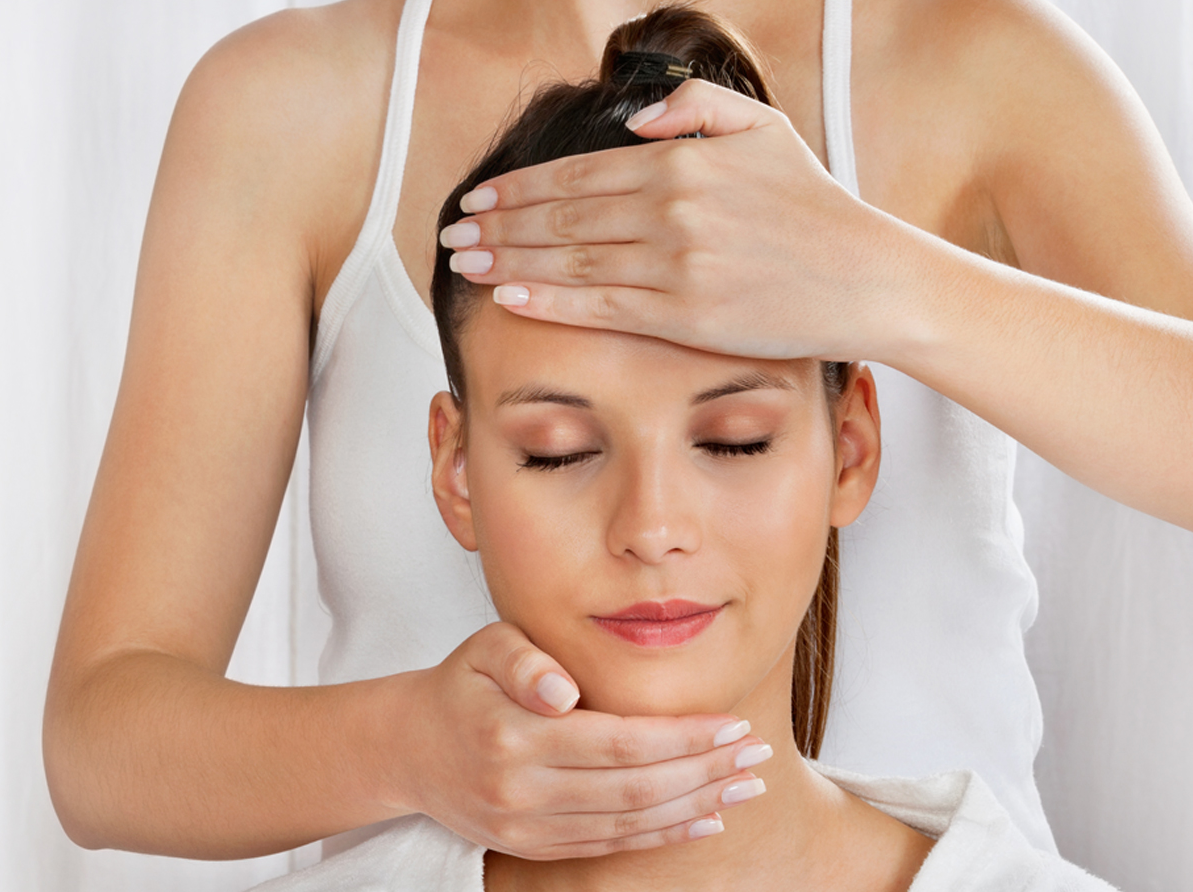
Did you know that chronic headaches are one of the most common complaints made to healthcare practitioners every year? Although over-the-counter medications are highly effective, they can be merely a temporary solution for a chronic problem.

Massage Therapy has shown to be effective in treating Migraine and Tension Headaches, it is safe and effective – not just a cover up, as pills.

Scientific Principles of Strength Training

Scientific Principles of Strength Training

SCIENTIFIC PRINCIPLES OF STRENGTH TRAINING

Dr. Mike Israetel of RP Strength has determined 7 fundamentals for strength training. These consist of the following:

  1. Specificity

  2. Overload

  3. Fatigue Management

  4. SRA

  5. Variation

  6. Phase Potentiation

  7. Individual Differences